Blog
Why User Research Matters for Better UX
Every interaction matters. Discover how user research uncovers real behaviors, reduces friction, and turns UX decisions into measurable business results.

When Friction Tells a Story
A user exits, mid-transaction. An application sits unfinished. A payment takes longer than expected.
These may look like minor drop-offs, but in fintech, they signal something deeper: uncertainty and mistrust. Understanding how users perceive risk and process information distinguishes functional platforms from truly credible ones.
Even subtle design choices influence perception and behavior. Text placement, language, and typography alignment all have an impact on the way users meander around a screen. Research uncovers these hindrances and allows teams to design experiences aligned with real human behavior.
Assumptions vs. Insights
Designing based on assumptions means building what we think users want. Designing based on insight means validating those beliefs before decisions are made.
For example, teams may assume a feature-rich, visually appealing dashboard helps users. Usability testing may reveal that users feel overstimulated and only need a few key metrics; a bold, conversion-heavy homepage may seem engaging until interviews show visitors first need instructional reassurance.
Why User Research Matters for Better UX
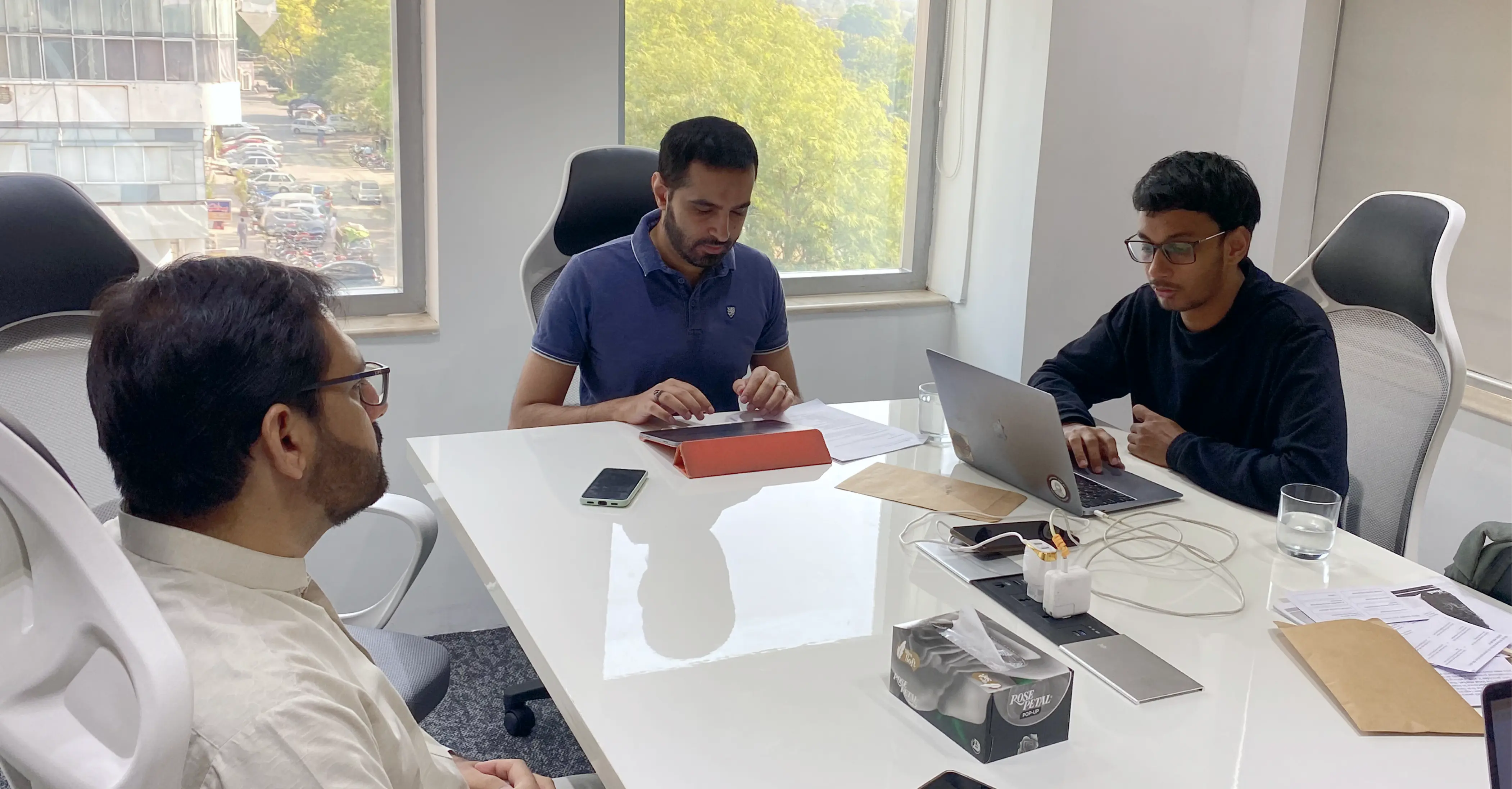
It’s not about adding features; it’s about uncovering which ones are driving users away.
Every failed transaction, incomplete application, or stalled payment tells a story. In the banking landscape, physical or digital, these moments carry weight. A confusing verification step, incomplete instructions, or poorly timed prompts can quietly erode confidence, and in financial services confidence is everything.
Trust isn’t built through features alone; it’s built through clarity, predictability, and ease. When friction appears, users interpret it as a risk. Behavioral science shows that even minor cognitive load can stop action entirely, yet many teams respond by adding more features, nudges, or surface-level finesse. They optimize what’s visible without fully understanding the behavioral drivers beneath it.
That’s where user research begins. It shifts the focus from what we assume users want versus what they actually need. Research uncovers not just what users do, but why they hesitate, what builds confidence, and what drives action.
Spotlight Case Study: Bringing UAE’s Digital Banking Experience in Pakistan
While bringing an authentic UAE-based bank’s services to Pakistan, a lot of effort needed to be put into modifying the experience for the local audience. To introduce the bank’s digital banking presence across the country, Ideate conducted in-depth research to understand the pain points customers typically face in the industry. The focus was on improving online banking usability, reducing hesitation around larger transactions, and eliminating friction across the entire banking experience while maintaining alignment with Shariah law and digital compliance.
Research Approach
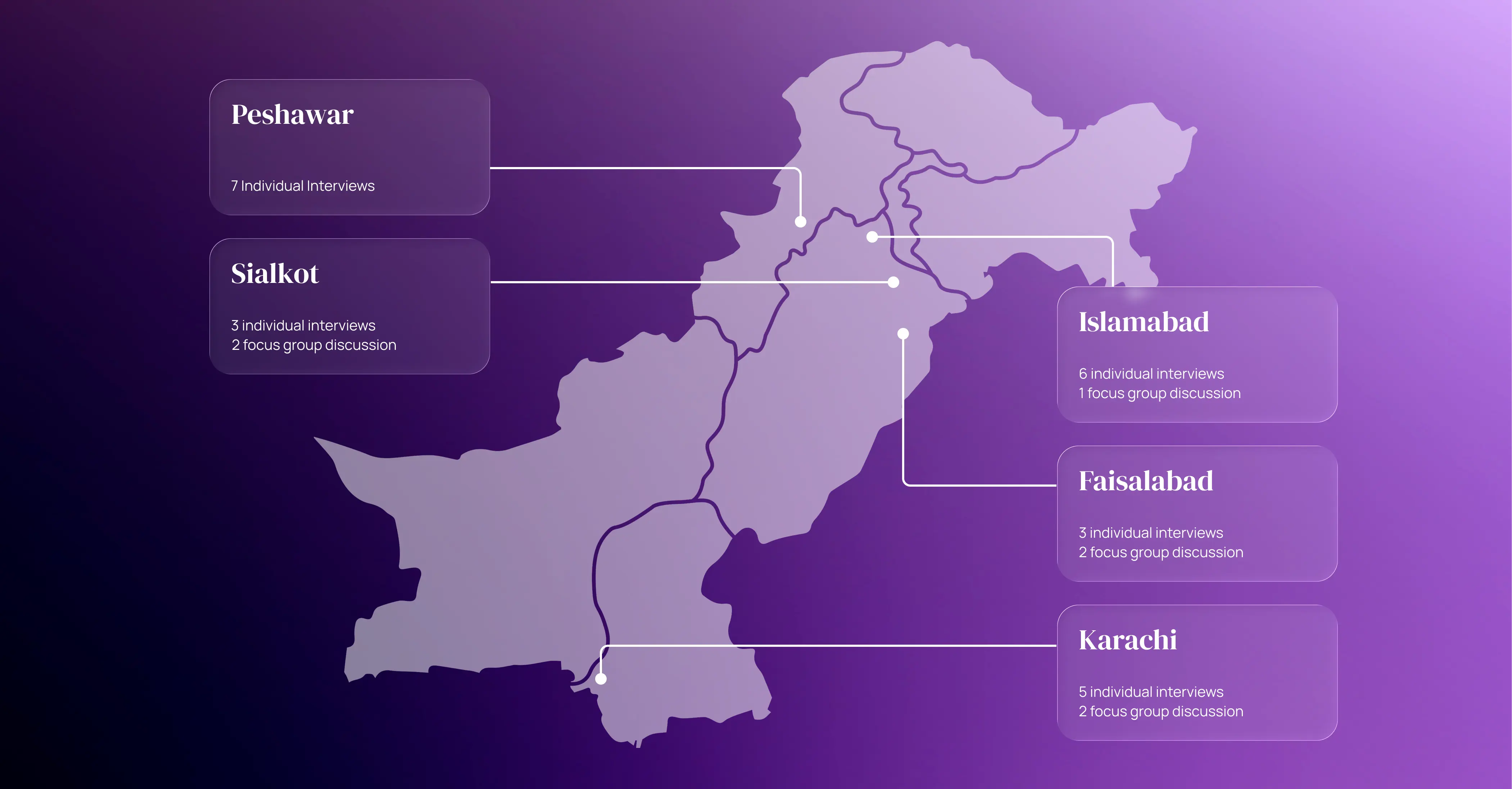
The study explored user personas across multiple regions: Peshawar, Sialkot, Faisalabad, Karachi, and Islamabad. Methods included interviews, focus group discussions (FGDs), ranking and scoring activities, and A/B testing.
Interviews & FGDs: Conducted with solo participants and groups of 4, probing digital behaviors, banking preferences, and perceptions of Islamic banking. Mixed-persona discussions explored branding, messaging, and the potential use of digital banking kiosks. .
Ranking Activities: Prioritized preferred channels for problem resolution and conducting larger transactions.
Scoring Activities: Measured factors that increased trust, such as UAE origin, digital banking kiosks, and reviews.
A/B Testing: Evaluated visual and communication styles aligned with sacrificial concepts developed during research.
Key Insights
The research revealed high perceived risk in digital transactions. Users hesitated to conduct larger transfers online and wanted confidence in every step. Transparency and Shariah-compliant services were critical, with users preferring control over automated processes like Zakat deductions. Female participants emphasized the need for financial autonomy and decision-making freedom.
Recommendations
Based on the insights, Ideate Innovation proposed the following:
Instructional videos and 24/7 customer support to reduce friction and guide users.
Physical digital banking kiosks and ATMs to support a seamless omni-channel experience.
Interface design that minimizes risk, builds trust, and ensures users feel confident in every transaction.
Seemingly arbitrary transactions and annual deductions, which compromised the user-bank relationship were to be reduced.
Offer privacy-focused account features for females, reducing dependency on male family members for loan eligibility, and provide accessible, supportive guidance on financial products tailored to women’s empowerment.
The outcome was a strategy to deliver a secure, seamless, and culturally aligned digital banking experience that empowers users, builds trust, and strengthens engagement across digital and physical touchpoints.

User Research Drives Empathy and Loyalty
UX is not only functional; it’s emotional. Interviews, observation, and behavioral analyses uncover motivations, frustrations, and expectations that analytics alone cannot reveal. When users feel understood, trust grows, which drives loyalty. Research-informed experiences feel natural, responsive, and human-centered, which is what Ideate delivered in the highlighted project..
Research Is Continuous
User expectations evolve. Markets shift. Technologies advance. Research should not be a one-time phase. Ongoing validation, testing, and iteration ensure experiences remain relevant. At Ideate Innovation, research informs UX from discovery through optimization, shaping strategy and innovation at every stage.
Designing with Insight
User research isn’t a checkbox. It’s a competitive advantage.
Grounded in insight, decisions are intentional. This way, friction is reduced and experiences are curated around how people behave. Research turns ideas into evidence, and evidence into impact.